
Part 2: The Difference Between Absence and Hiddenness
Part 2 of 7 in the Learning to Stay Series

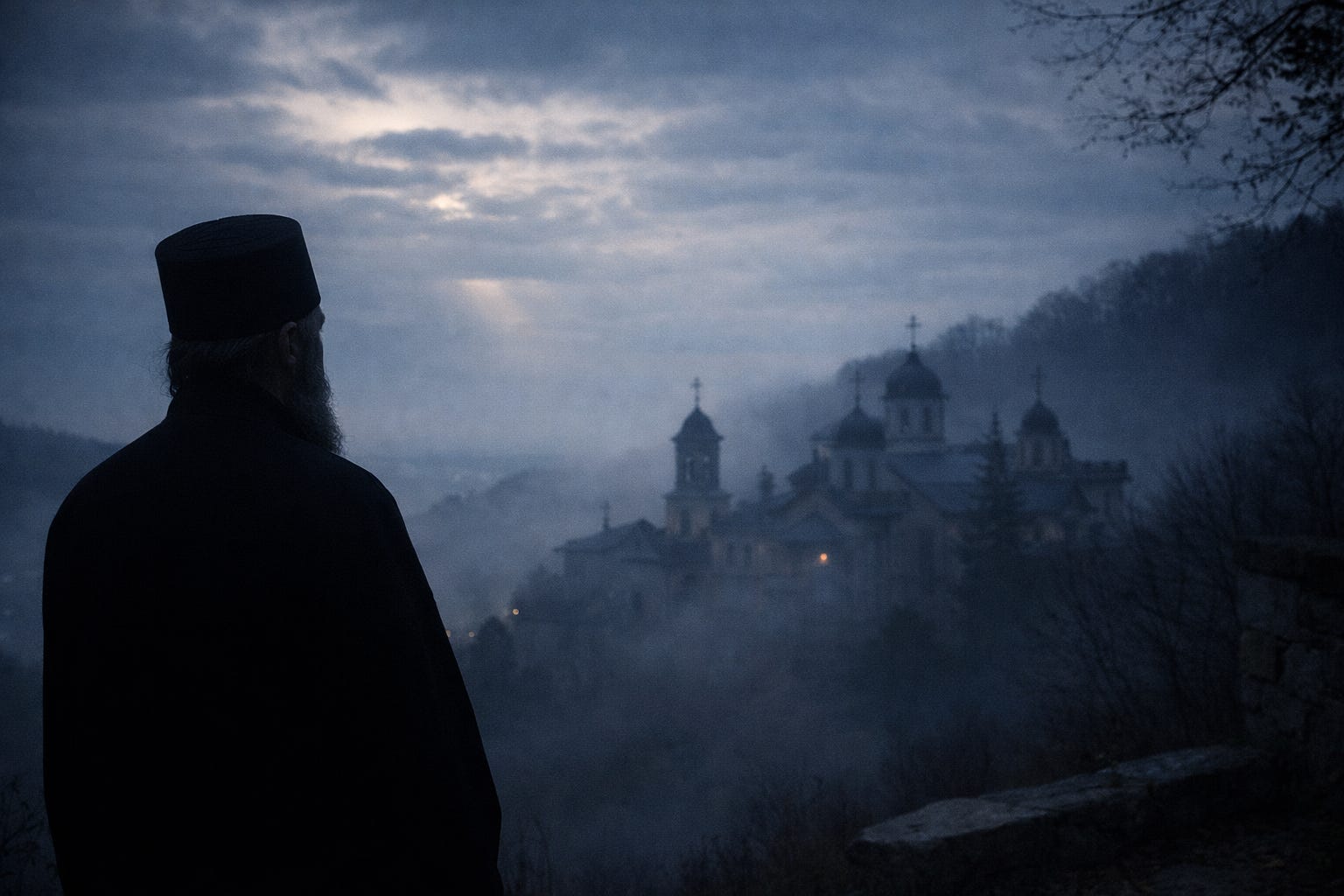
When God no longer feels near, the soul often names the experience as absence. The word comes easily because it matches the sensation. Something that once felt present now feels gone. Prayer meets silence. Desire reaches without response. The heart concludes that what it cannot feel must no longer be there.
Yet feeling is not the measure of presence.
Absence and hiddenness may appear identical from within the soul, but they are not the same reality. Absence implies departure. Hiddenness implies nearness without disclosure. One suggests loss. The other suggests restraint.
God does not cease to be present when He ceases to be felt. He does not withdraw His attention when He withholds consolation. More often, He remains entirely near, but veils Himself from the senses so that love may be purified of its dependence on experience.
“Truly You are God, who hide Yourself, O God of Israel, the Savior.”
— Isaiah 45:15 (NKJV)
Hiddenness belongs to Scripture in quiet ways. God speaks from the cloud. He dwells in unapproachable light. He passes by while remaining unseen. Again and again, His nearness is real, yet inaccessible to sight or grasp. The soul is not abandoned, but neither is it permitted to control or confirm His presence.
“So the people stood afar off, but Moses drew near the thick darkness where God was.”
— Exodus 20:21 (NKJV)
This distinction matters because absence invites panic, while hiddenness invites patience. When the soul believes God has left, it searches urgently for a way back. When it learns that God is hidden, it can begin to remain without grasping.
Hiddenness protects the soul from relating to God as an object of experience. It loosens the subtle expectation that prayer should reward effort with feeling. It teaches the heart to love God for who He is, not for how He is perceived.
This does not happen without discomfort. The soul resists hiddenness because it feels like loss. What once came freely must now be trusted without evidence. What once encouraged must now be chosen without support. Faith becomes quieter, heavier, and more interior.
The temptation at this stage is interpretation. The mind wants to assign meaning quickly, to explain the silence, to categorize the experience as progress or failure. Yet hiddenness cannot be interpreted without being diminished. It is not a message to decode but a condition in which love is formed.

God hides not to confuse, but to free the soul from relying on signs. He teaches the heart to stand before Him without negotiation, without testing, without the need to feel secure. This kind of standing feels barren at first, but it carries a depth that consolation cannot provide.
Hiddenness also guards humility. When prayer no longer produces anything visible, the soul loses the ability to measure itself. It cannot claim progress or success. It cannot point to interior states as proof. What remains is a simple fidelity that no longer draws attention to itself.
This fidelity is fragile at first. It feels exposed and unsure. Yet it is precisely here that love begins to rest on God rather than on the self. The soul continues to pray, not because it is rewarded, but because God is worthy of prayer. It remains, not because it understands, but because leaving would be a refusal to trust.
Absence tells the soul to search elsewhere. Hiddenness asks the soul to stay.
Learning whether God is absent or hidden changes how silence is carried, but it does not yet teach the soul how to live within it. That work begins where explanation is no longer given.